For creators
When you create something original, you automatically own the copyright. No registration needed, no paperwork required. The moment you write, draw, photograph, or compose, copyright protection exists.
Copyright gives you the exclusive right to:
- Copy your work
- Distribute it (e.g. publish)
- Perform it publicly
- Transmit or make it available
- Adapt it
- Authorise another person to do any of the above
These rights last for your lifetime plus 50 years.
Copyright owner vs rightsholder
Publishers can become rightsholders – When you sign a publishing contract, you typically licence certain rights to your publisher (like the right to publish and distribute your work). In some cases your contract may assign (sell) rights to the publisher. The publisher may become the rightsholder for those specifically licensed or assigned rights.
What’s covered by copyright
- Literary works (books, articles, scripts, computer coding, song lyrics)
- Dramatic works (plays, screenplays)
- Musical works (scores, charts, lead sheets)
- Artistic works (paintings, photographs, illustrations, sculptures, carvings)
- Films and sound recordings
Both physical and digital formats are protected.
Copyright exceptions
You don’t need permission to use copyrighted work for:
- Research or private study
- Criticism or review
- Reporting current events
The amount copied must be fair. Copying an entire poem for study might be fair. Copying an entire book when you only need one chapter isn’t.
In education, teachers can copy without permission:
- A single copy for lesson planning
- Multiple copies up to 3% or three pages (whichever is greater)
Beyond these limits, schools and universities need a licence.
Want more information?
Downloadable guides, fact sheets and videos.
Browse articles, FAQs, user guides and email your questions.
A smart assistant trained on our information and copyright law.
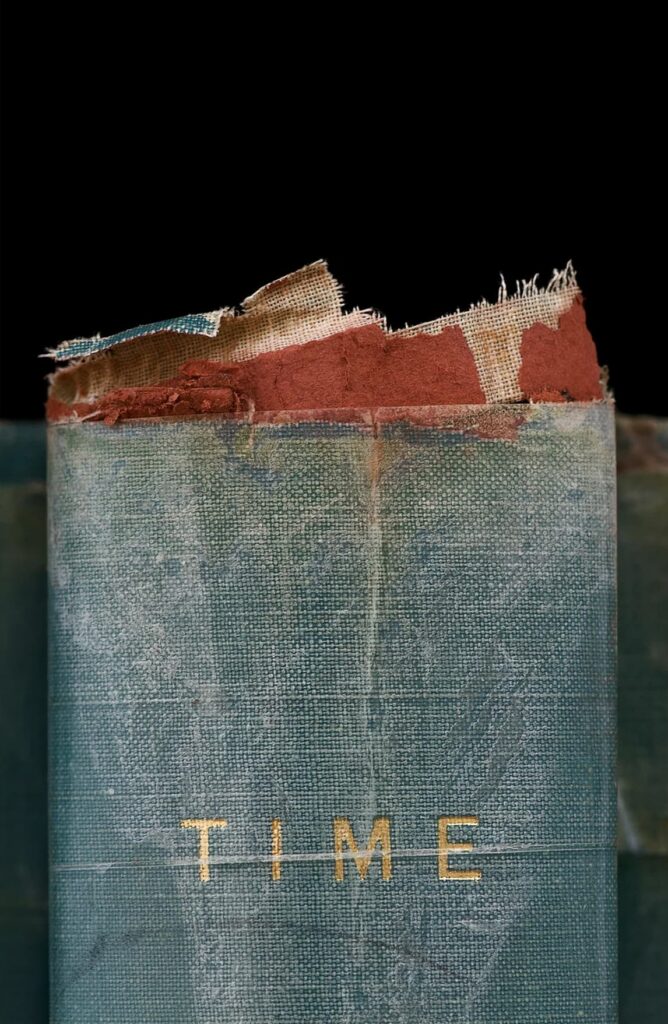
Mickey Smith
TIME, 2009
